The Imaginary Landscape Series
Between 1939 and 1952, John Cage composed five works titled "Imaginary Landscape," exploring electronic and technological media as musical instruments. No. 4 (1951) is unique in using radios as the primary sound source.
The Premiere Performance
Premiered in New York on May 10, 1951, the performance highlighted a radical idea: the radio itself as a musical instrument. The extremely low volume—intentional to Cage's score—was considered by many to be a "flaw." Some audience members found the quiet, nearly inaudible nature of the performance unengaging.
However, when a brief fragment of a Mozart violin concerto broke through the static, the crowd applauded wildly. Other surprising sounds included snippets of baseball news and various advertisements—each fleeting moment adding to the piece's unpredictable appeal.
Cage's Methodology
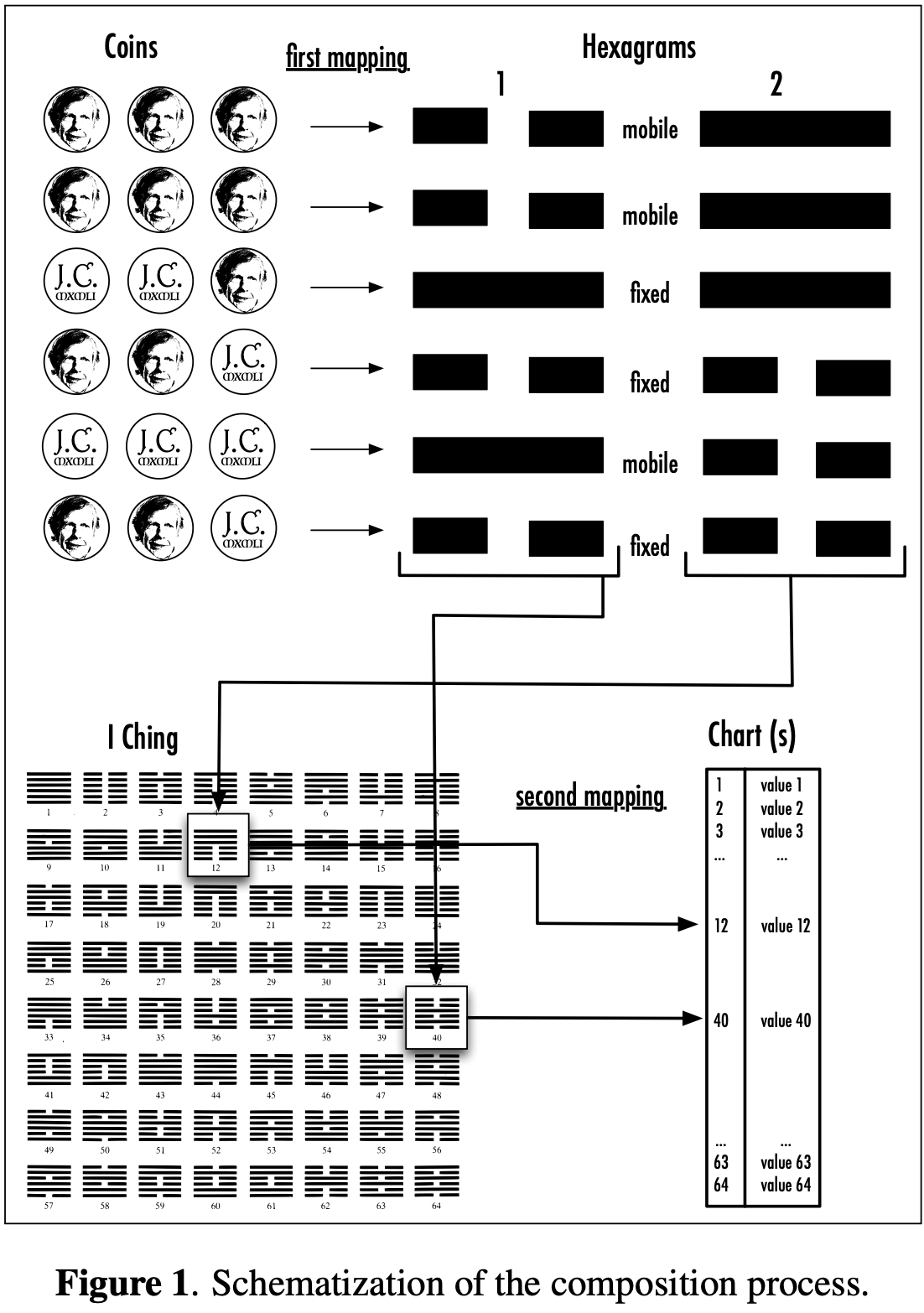
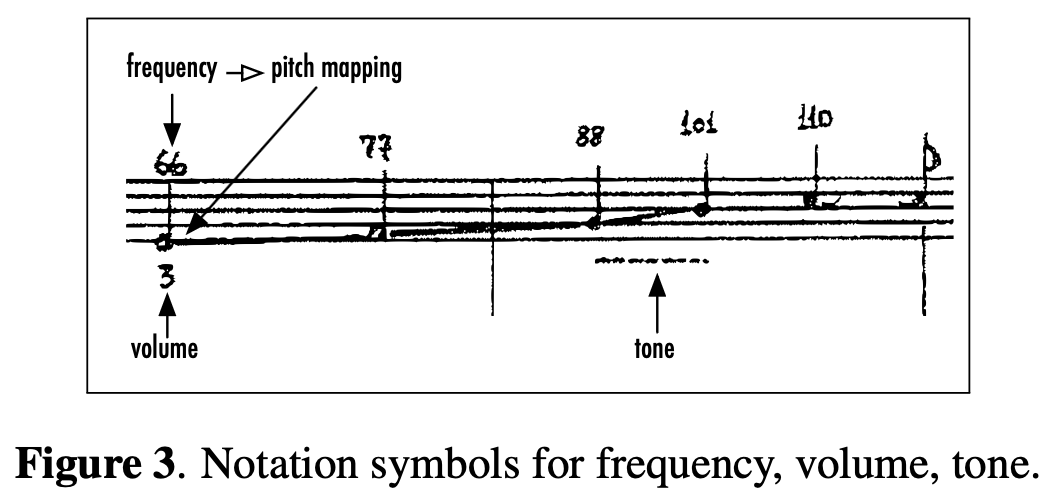
Cage used the I Ching (Book of Changes) to determine musical parameters through chance operations. He would consult the ancient Chinese text by tossing coins to generate hexagrams, which corresponded to specific values in charts he created for frequency, duration, dynamics, and timbre. This eliminated personal taste and ego from composition, allowing sounds to "be themselves."
Click "Generate New Score" to begin