



This is the first in an ongoing series of articles FQ will be doing in collaboration with the Library of Congress.
A funny thing happened on my way to the International Low Flutes Festival in Washington D.C. Just a week before the event, I received an unexpected email from the renowned flutist, Matthias Ziegler. He invited me to join him and Eva Kingma, recipient of the NFA’s 2018 Lifetime Achievement Award, low flute specialist, and inventor of the Kingma System, for a visit to the Dayton C. Miller Flute Collection at the Library of Congress. Of course, I answered yes!
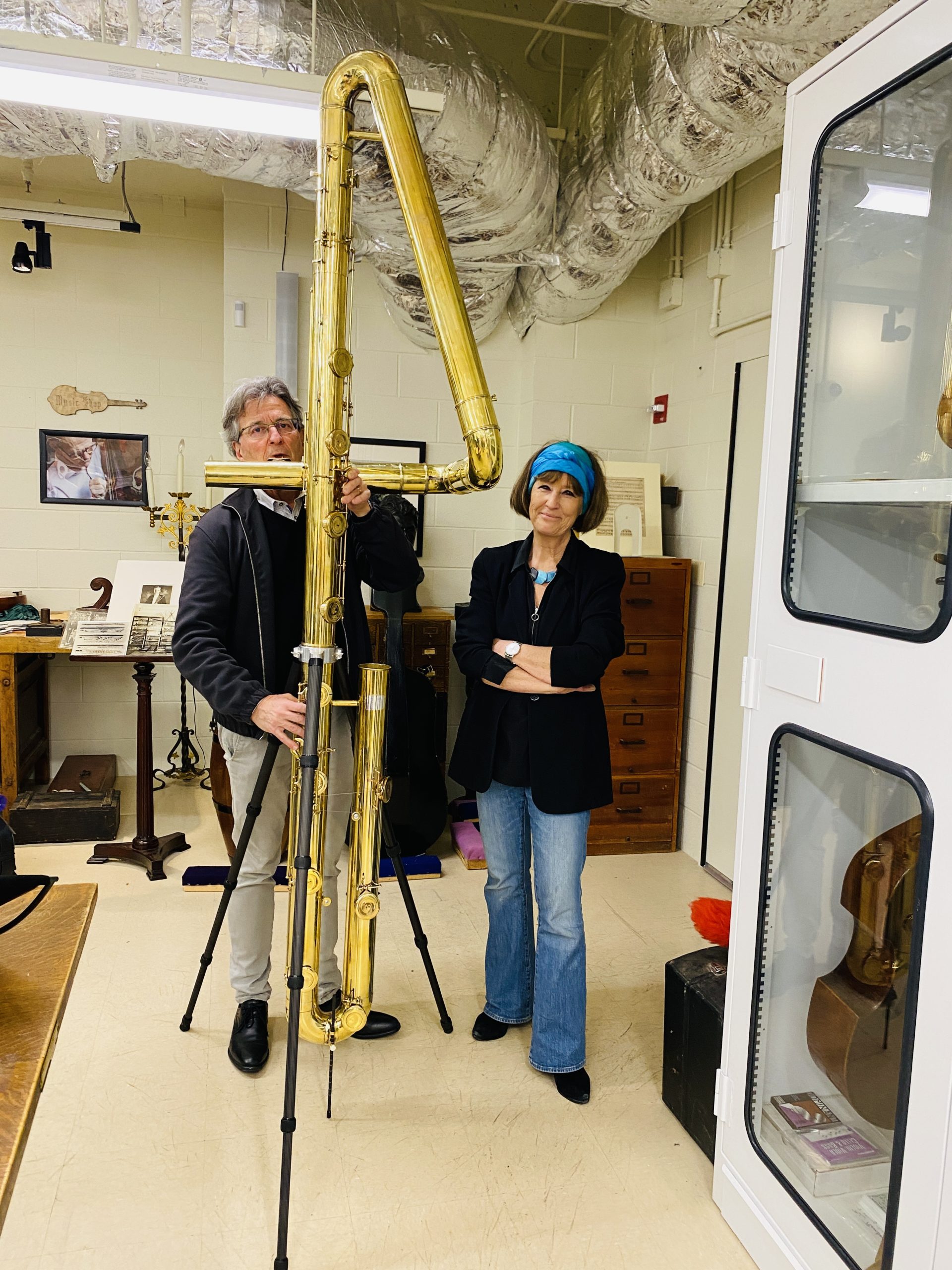
The opportunity to see this extraordinary collection with such esteemed company was irresistible. Kingma, who crafted my own beloved bass and contrabass flutes, brought her latest creation, a double contrabass flute, to show to the Library’s curator of musical instruments, Carol Lynn Ward-Bamford. We were joined by a delightful couple from Iceland, fellow flutist Pamela de Sensi and fellow composer Steingrímur þórhallsson (Stein Thor), as well as Anders Hagberg, who was recently profiled in the Flutist Quarterly and will be performing at the Thursday night Gala in San Antonio.
Now, here’s a fun fact: The Library of Congress isn’t the Smithsonian (and vice versa), but both hold musical instrument collections and both are conveniently located on the National Mall. The flutes at the library are housed in what is colloquially referred to as the Flute Vault, and visitors can tour the collection by appointment. Our particular visit was designed to focus on the evolution of low flutes over the centuries. I even had the chance to try my hand at an Albisi flute from 1937.
Speaking of low flutes, the Library has in its collection an article published in 1938 on the history and development of flutes, “Modern Alto, Tenor, and Bass Flutes,” in which Dayton C. Miller notes that while the flute is one of the oldest musical instruments, it hasn’t diversified into a “family” of instruments like strings or brass. It details the technical aspects of flute construction, including the development of the Boehm system, and how the instrument has evolved over time. Miller advocates for the wider use of alto, tenor, and bass flutes in orchestras and ensembles, highlighting their unique tonal qualities and the potential for a “flute choir” with a range of flute sizes. His words resonate as we see the continued expansion of low flutes in music and the thriving flute choirs around the world. How delighted he would be!
Composers may well give attention to the new low-voiced flutes, and very musical voices they are. When composers and players shall have taken advantage of these sounds, then the much larger number of charmed auditors will applaud, and the glory of the flute will be greater than ever before—a glory merited by its genuine musical character. –Dayton C. Miller
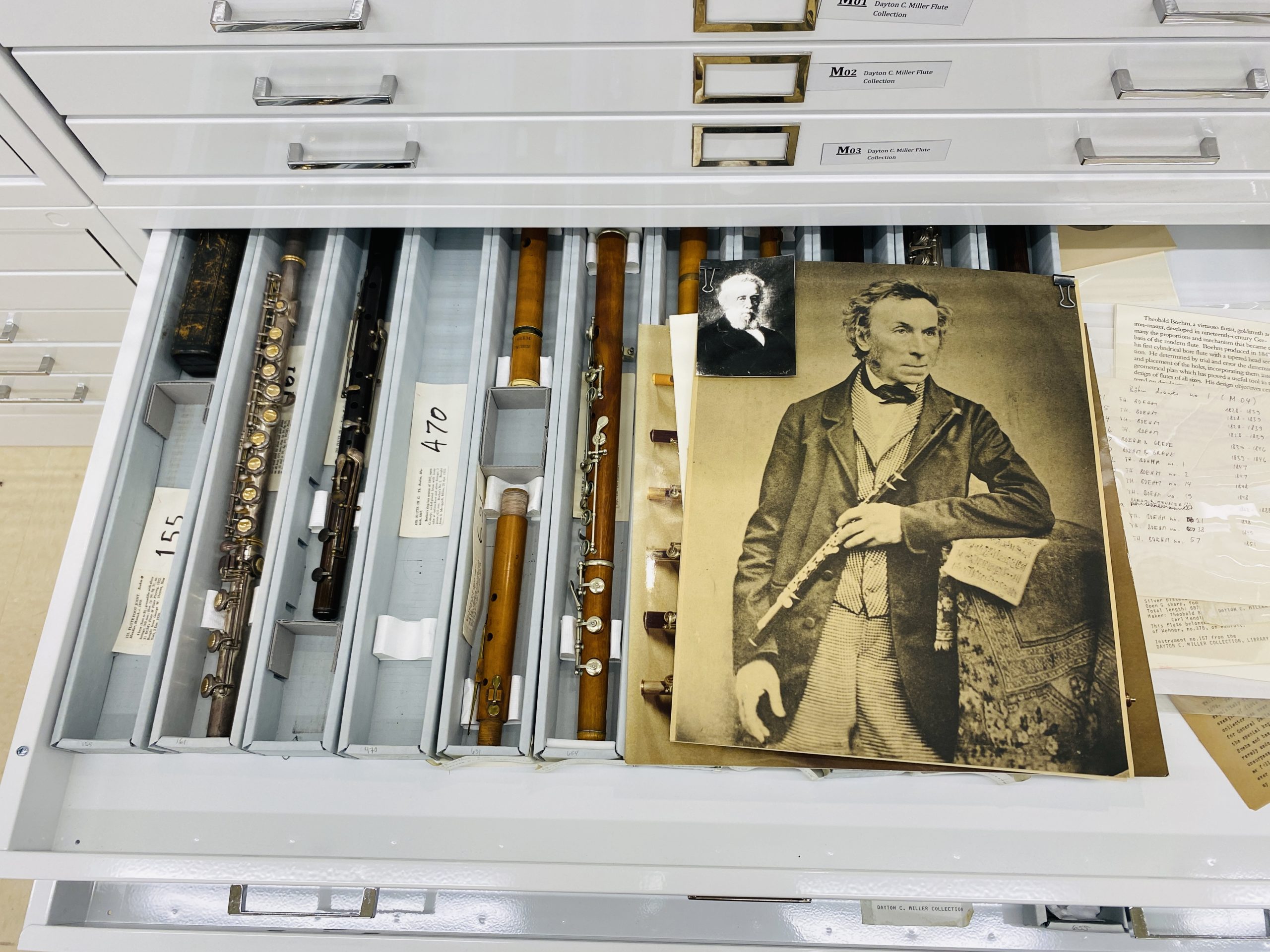
The vault itself is a gold mine (silver mine?), housing a vast array of instruments in special drawers and climate-controlled cabinets, with a few select pieces showcased around the room, but more on that later. Once inside, Kingma and Ziegler leapt into action, unpacking large metal tubes out of the backpack that he had lugged over from The Netherlands (yes, he walked the whole way). Certainly this was not a typical day in the Flute Vault!
Once fully assembled, Ward-Bamford remarked that Miller certainly didn’t have anything close to the size of Kingma’s double contra in his collection. Fully stretched out at approximately 16 feet, it is tuned in C with a range starting three octaves below the C-flute. When everything was ready, other members of the music division staff joined us to admire one of the world’s largest flutes and hear Ziegler demonstrate it.
Kingma described the crafting of the GINORMOUS FREAKING FLUTE (sorry, couldn’t resist the hyperbole) and how it actually exceeded her expectations in terms of tonal quality and range. Ziegler then talked about the process of learning to play it, which, as you can imagine, is not simply “it’s just a flute but larger.” We were all then treated to an impromptu performance that can only truly be described as “something you have to hear for yourself.”
Many of us were lucky enough to hear Ziegler’s headlining concert at the aforementioned flute festival. On this visit to the library, Ziegler displayed his musicianship on several different low flutes, including Eva Kingma’s double contrabass flute.
Ziegler plays Kingma’s double contrabass flute in the Flute Vault. Video by Robert Rabinowitz.
Touring the collection
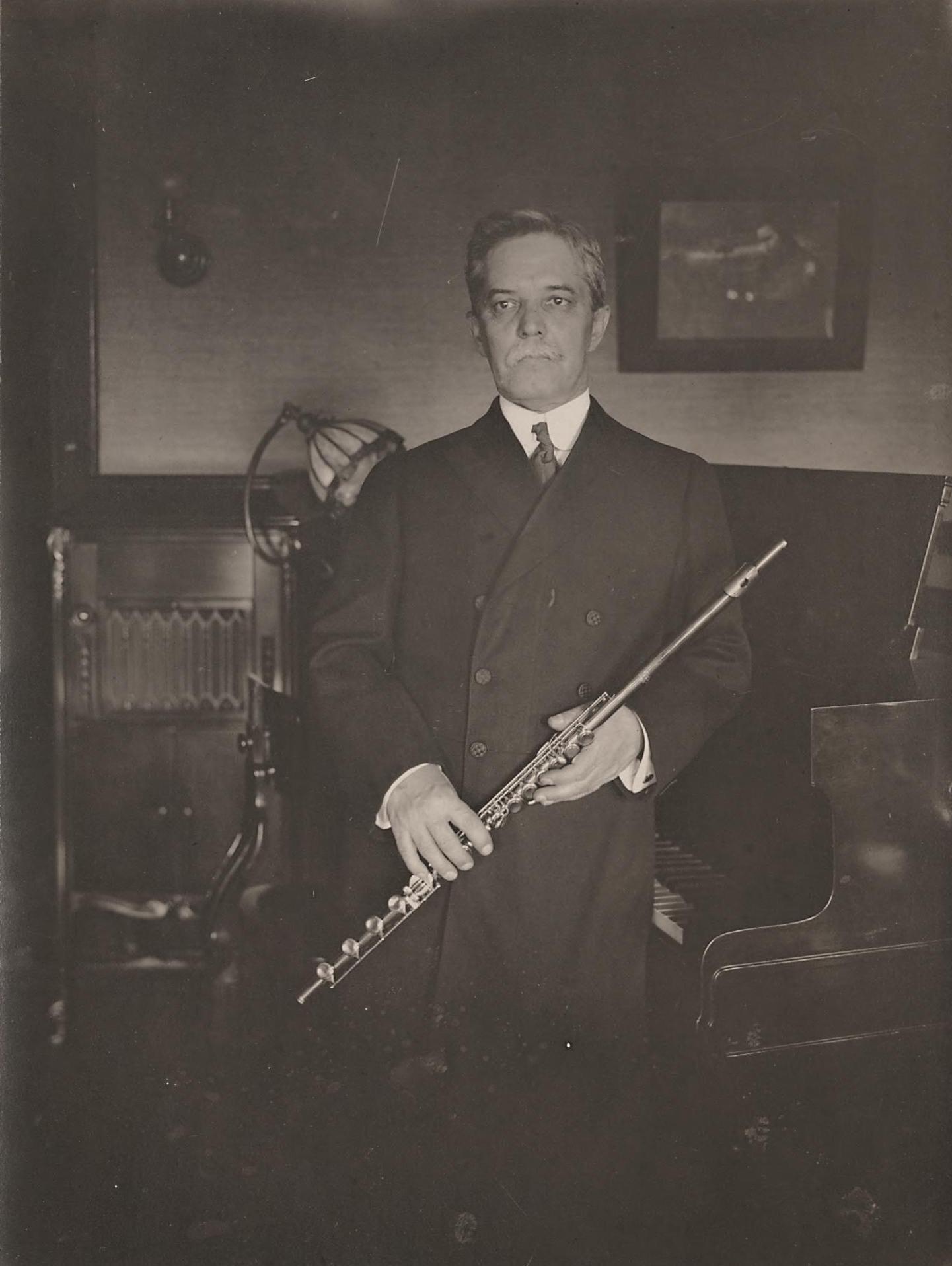
The Library of Congress houses the world’s largest flute collection, containing nearly 2,000 flutes and related reference materials. Dayton C. Miller, a physicist and passionate flutist, donated the collection in 1941. Miller began collecting flutes at the end of the 19th century, amassing instruments from around the world and spanning various time periods. The Music Division’s instrument collections also include bowed stringed instruments by Amati, Stradivari, Guarneri, Gagliano, and Rombouts; bows by Tourte, Peccatte and Tubbs; keyboards by Pleyel; guitars by Gibson; and most recently, the collection of flutes belonging to Mary Jean Simpson. The flute collection is in the James Madison Building in Washington, D.C.; a small selection of Miller flutes is on exhibit in the Whittall Pavilion, Thomas Jefferson Building, and, in a brand new “Treasures Gallery,” the flute that belonged to James Madison (which was played by Lizzo) is on special display until the end of the year.
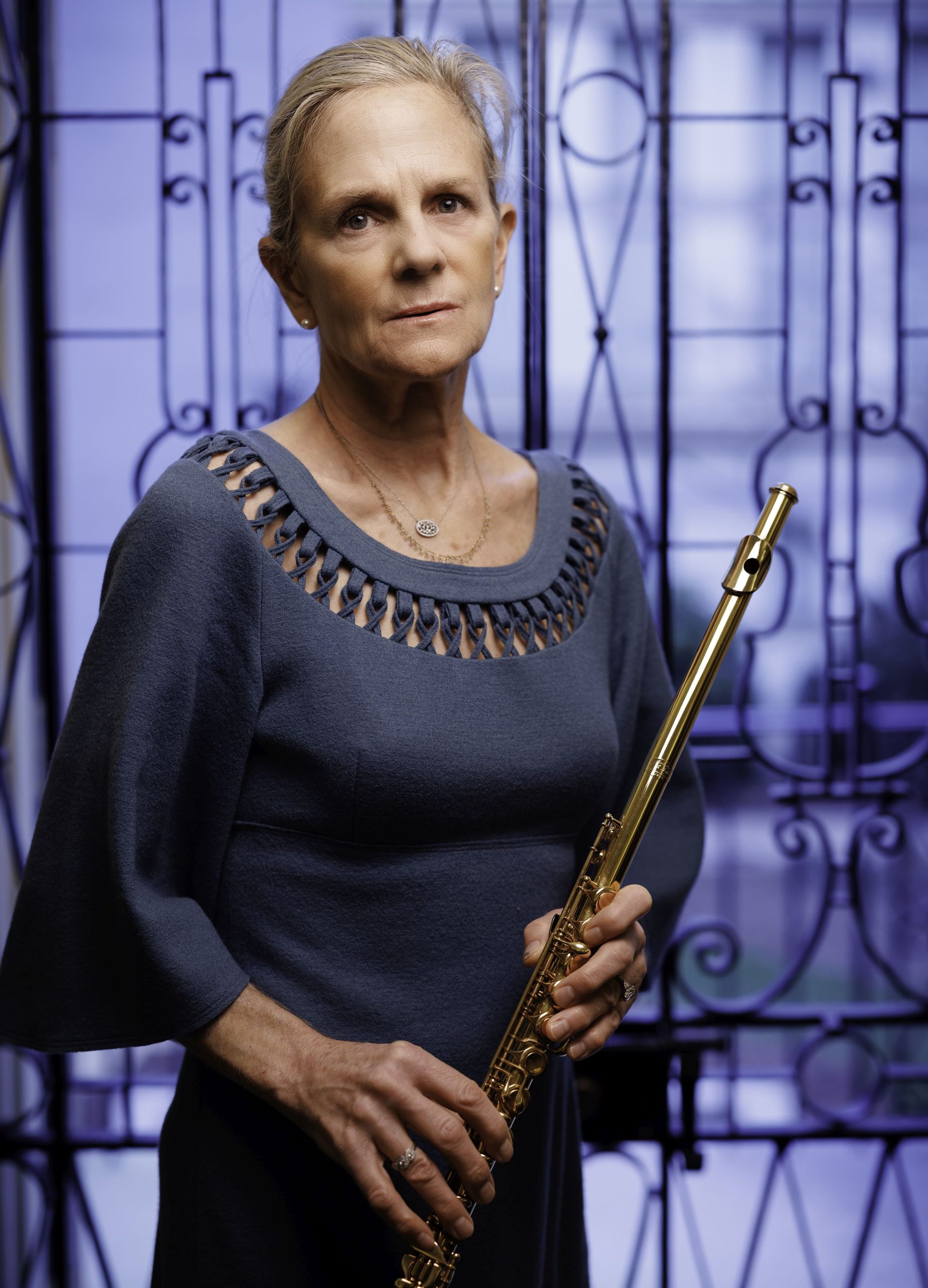
This is the first in a series of articles exploring this remarkable collection. Future installments will highlight individual flutes, collectors, donors, and flute makers. For them I am collaborating with Carol Lynn Ward-Bamford, the curator of musical instruments at the Library of Congress since January 1993. She has passionately connected readers, researchers, staff, musicians, and visitors of all ages with the Music Division’s instrument collections. For my part, I now find myself not only writing this series with her but researching other instruments for the Library and enthusiastically participating in the Buchla 100 Synthesizer/Morton Subotnick Project. Pretty cool for an unplanned last-minute adventure!
In the following paragraphs, Ward-Bamford shares some of her favorite flutes, the challenges and rewards of her work, and insights into the collection. She expertly cares for, preserves, and studies the musical instrument collection; her responsibilities include overseeing maintenance, ensuring accessibility, collaborating with others, and acquiring new instruments and materials. Her knowledge extends beyond flutes to a wide range of instruments and their historical and cultural significance.
History
The instrument collection began with a 1935 gift of Stradivari instruments. Within six years, an Amati, a set of early stringed instruments, and the flute collection (1941) followed. Generous donations from various sources have since enriched the Music Division.
Welcoming visitors
The Music Division prioritizes a welcoming atmosphere for all visitors. Ward-Bamford finds joy in witnessing connections between visitors and exhibits, particularly among initially hesitant young people. However, she acknowledges the need for caution around delicate items, explaining why young children cannot access the research collection but are welcome in the Jefferson Building’s exhibits.
The day-to-day life of a curator
Ward-Bamford’s days are diverse and engaging. She oversees the flute collection’s care and preservation. During the concert season she collaborates with musicians, providing instruments for rehearsals and performances. She also assists visitors, answers global inquiries, conducts flute research, prepares exhibits, and collaborates with other departments on instrument housing and scientific testing. Additionally, she writes about the collection and works with potential donors.
Ward-Bamford’s favorite flutes
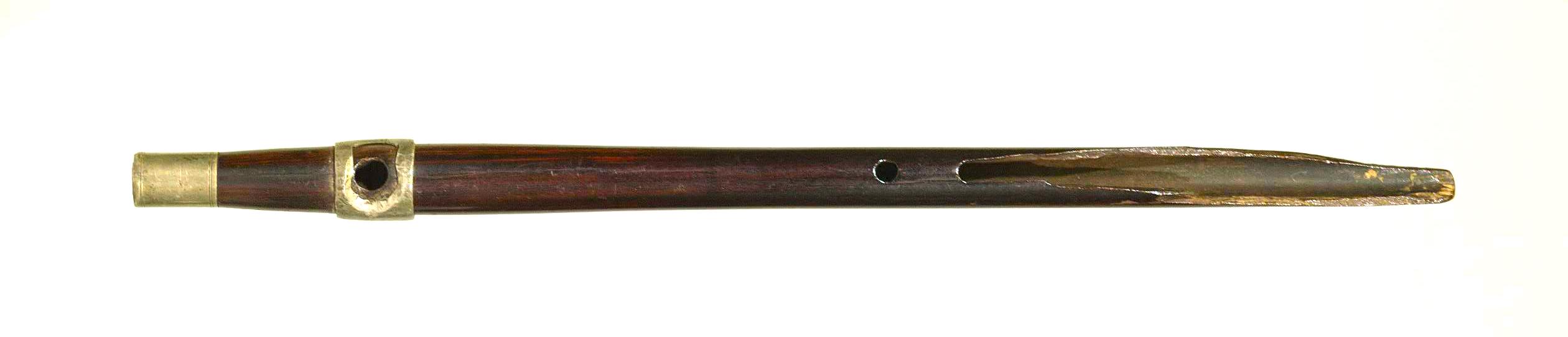
Fittingly, one of Ward-Bamford’s cherished flutes is a Civil War–era fife played by Dayton C. Miller’s father. Though broken in half, it holds immense historical significance for the collection. Another favorite is an anonymous mid-19th-century “walking stick” flute, crafted from wood with four keys resembling bumps on a branch. Its aesthetic and tactile appeal enchant Ward-Bamford. When asked about a flute she wishes was in the collection, she mentions Georges Barrère’s platinum flute by Haynes.
Unique and historical instruments
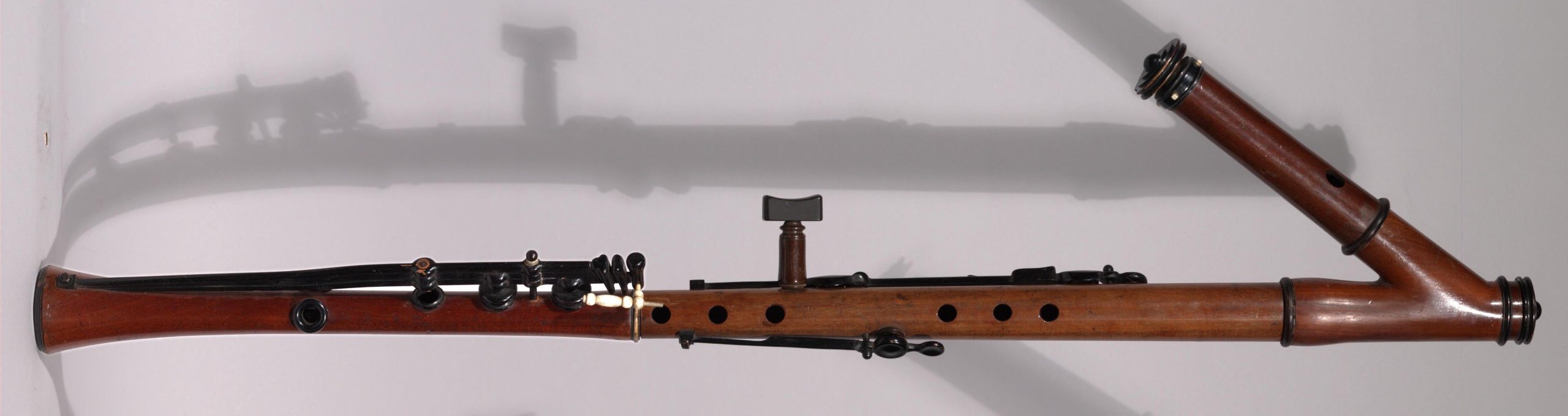
The most unusual, according to Ward-Bamford, is a set of mid-19th-century wooden flutes from England, made by someone named Burghley. These flutes are made of wood and have no metal parts. They are all different pitches and sizes and have unusual key work. She says that the flutes are “bizarre,” quoting others, and their creator remains a mystery, including why he made these particular instruments. These flutes are a prime subject for study, and Ward-Bamford hopes that someone will eventually be able to unlock their secrets. The oldest instrument is a late 16th-century wooden recorder, cherished for its beautiful sound.
The Madison flute and Lizzo’s visit
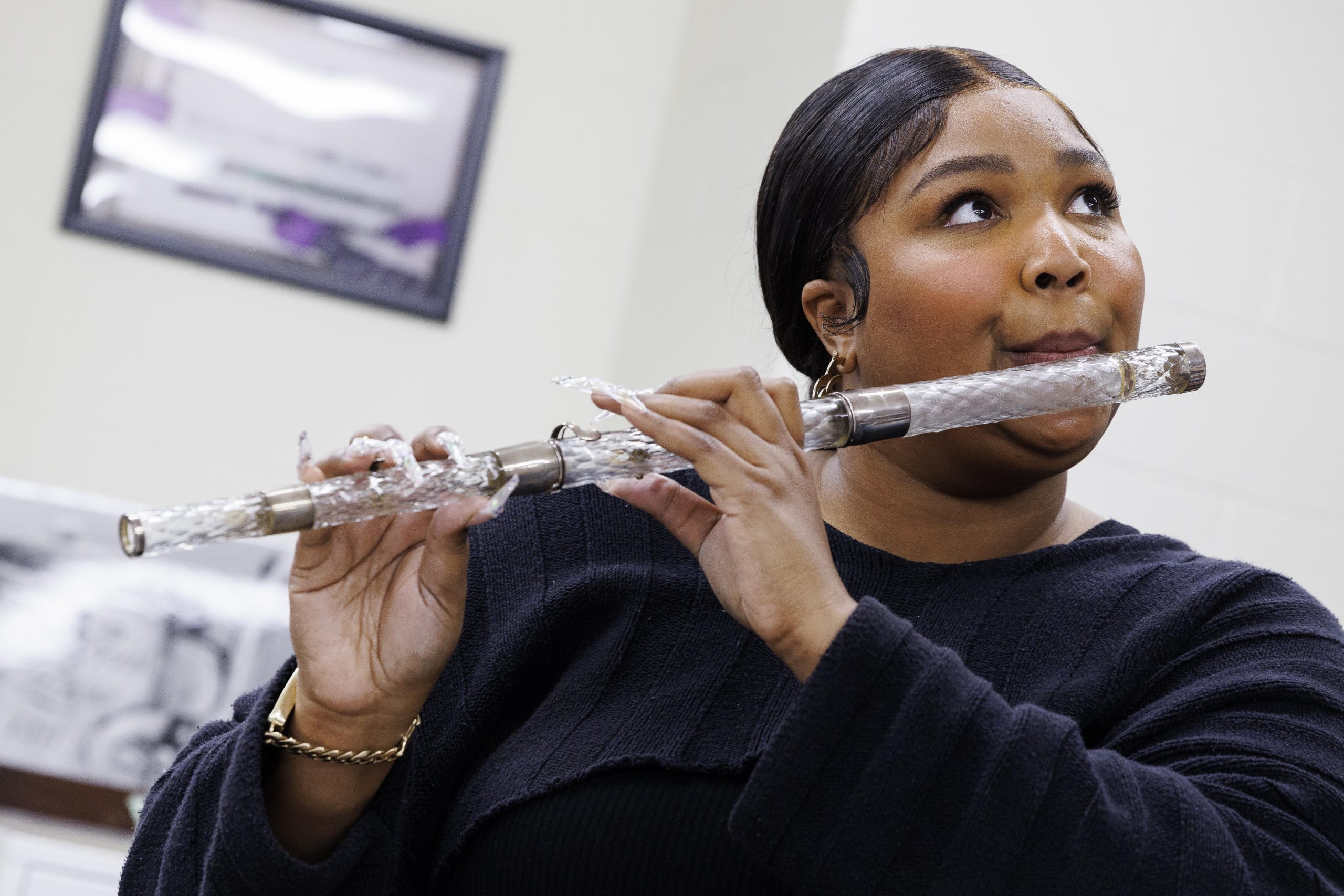
The Madison Flute is currently on exhibit in the Jefferson Building through the end of the year. This remarkable glass flute was made by Claude Laurent of Paris in 1813 and is one of 20 Laurent flutes in the Miller collection. It has always been shrouded in mystique, with many questions remaining about its origin, journey, and sparkling appearance. Lizzo’s well-documented visit to the Library of Congress to play the flute captivated the public, and Ward-Bamford (along with the entire library staff) was impressed by her exceptional flute skills and genuine curiosity about the collection’s flutes, music, and history.
Other popular flutes
With so many wonderful instruments in the collection, it’s difficult to choose favorites, but some of the other highlights include the walking stick flutes, the Albisiphone bass flute, Claude Laurent’s glass flutes, a Quantz-model traverso once owned by King Frederick the Great, and an early 20th-century Nicholas Alberti patent piccolo.
A rewarding career
Ward-Bamford says her work is deeply rewarding, fueled by her passion for the flutes and sharing them with the public. She is also proud to be a part of the Library of Congress, which she describes as a “great institution.”
The Library of Congress
It’s worth noting that the Library of Congress is the world’s largest library, encompassing millions of diverse materials and serving as a research library open to the public. The Dayton C. Miller Flute Collection, alongside the library’s other resources, offers a wealth of knowledge on music history and culture.
Flutes in other collections
Beyond the Dayton C. Miller Collection, notable flute collections exist worldwide, housed in museums like New York’s Metropolitan Museum of Art and the Musical Instrument Museum in Phoenix, and in libraries like the Boston Public Library and the British Library. These collections contribute significantly to our understanding of the flute’s rich history and cultural impact.
__________________________
Instruments Mentioned in this Article
• Dayton C. Miller’s father’s fife (appropriately enough item #DCM0001)
• Walking Stick Flutes
• Burghley Flutes
• Albisi flute in C
• James Madison’s Crystal Flute; “The Mystery of James Madison’s Crystal Flute” by Wendi Maloney, October 3, 2018; “It’s About (Danged) Time: Lizzo at the Library,” Timeless Stories from The Library of Congress by April Slayton, September 28, 2022.
• Laurent Glass Flutes; article
• Quantz Flute owned by Frederick the Great, King of Prussia
• Nicholas Alberti Piccolo
The Dayton C. Miller Flute Collection Library of Congress Website
Musical Treasures at The Smithsonian
____________________
To learn more about Carol Lynn Ward-Bamford and her work:
• My Job: Carol Lynn Ward Bamford and the Flute Vault
• Library of Congress Webcasts: Discussing the Dayton C. Miller Collection and Ward-Bamford’s role in its preservation
• Ward-Bamford’s research publications on ResearchGate
Eva Kingma:
• Kingma Flutes
• Double Contrabass flute
• NFA Profile
Matthias Ziegler:
• Website
• Demonstrating the double contrabass flute
• “Showcase Kingma Flutes”
Robert Rabinowitz
• Website
• Bandcamp
• YouTube
Until we meet again
With this first article, we provided an oversight of the collection. With each additional article in the series, we plan to focus on different aspects and highlight different instruments in the collection. For the fall issue, please join us as we highlight the generous donation and most recent addition to the Dayton C. Miller Flute Collection at the Library of Congress: the collection of flutes belonging to Mary Jean Simpson, a charter (and lifetime) member of the NFA (and former secretary), a previous editor of The Flutist Quarterly, and flutist, teacher, arranger, and writer.
Eva Kingma’s new silver-plated double contrabass flute will be on display and available to try at the Kingma Flutes booth in the Exhibit Hall at the 2024 NFA Convention in San Antonio. Additionally there will be a special showcase by Matthias Ziegler introducing all the double contrabass flute’s musical possibilities, colors, and percussive surprises on Thursday, August 1 from 1:30–2 p.m. in Room 211 of the Henry B. Gonzalez Convention Center.